Scientists: Biological Death Could Become History Within 40-100 Years
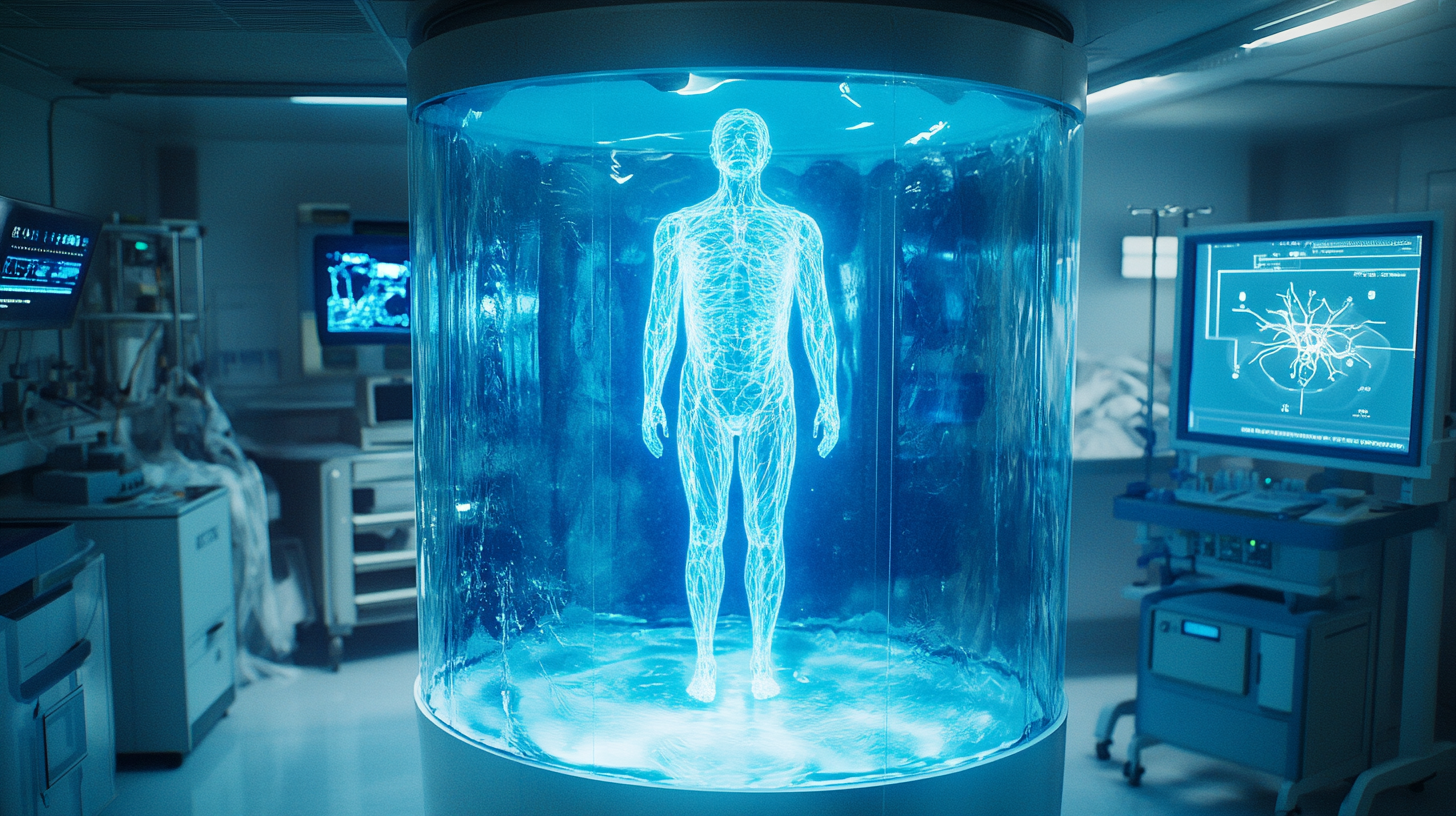
According to experts, death may become a thing of the past within the next 40-100 years. The technologies necessary to achieve this goal are already in development. Advances in biotechnology, brain-computer interfaces, and digital consciousness offer hope that biological death can be overcome during this century.
Significant work is being conducted in the field of brain-robot integration. Dr. Theodore Berger at USC is developing neural prosthetics that replicate brain functions. Duke University's Miguel Nicolelis has demonstrated that paralyzed patients can control exoskeletons with their minds. Hanson Robotics produces lifelike robots with realistic movements. Futurists predict that by mid-century, human consciousness could be transferred to digital systems and control android bodies.
Bioprinting technology enables the creation of new organs and limbs. In 2019, scientists at Tel Aviv University 3D-printed a beating human heart from patient cells. United Therapeutics and 3DBio Therapeutics are developing transplantable lungs, kidneys, and cartilage. Skorpio Medical and Open Bionics create 3D-printed prosthetics that are functional and increasingly affordable. These advances will allow replacement of worn-out organs and extend lifespan.
Cryogenic freezing methods are also evolving. The Alcor Life Extension Foundation and Cryonics Institute freeze deceased individuals with the hope of future revival. Though human revival hasn't been achieved yet, research on cryoprotectants is improving. Successful freezing and revival of small organisms and tissues demonstrates the method's potential. NASA's research on "torpor" technologies for space travel will also benefit human hibernation.
Digital consciousness preservation and virtual environment living are serious topics of discussion. Research centers at MIT and the University of Sussex study how to preserve human identity and cognition in digital form. Neuralink, founded by Elon Musk, has already shown how a monkey can play computer games with its mind. The company is preparing to begin clinical trials of human brain implants. Bionic limbs, such as those from Össur and DEKA, can be controlled by muscle signals and even brain commands. All these developments show that immortality is no longer just a theme in fiction, but could become scientific reality.
Related materials