The Right Time of Treatment Plays a Major Role in the Fight Against Cancer: New Study
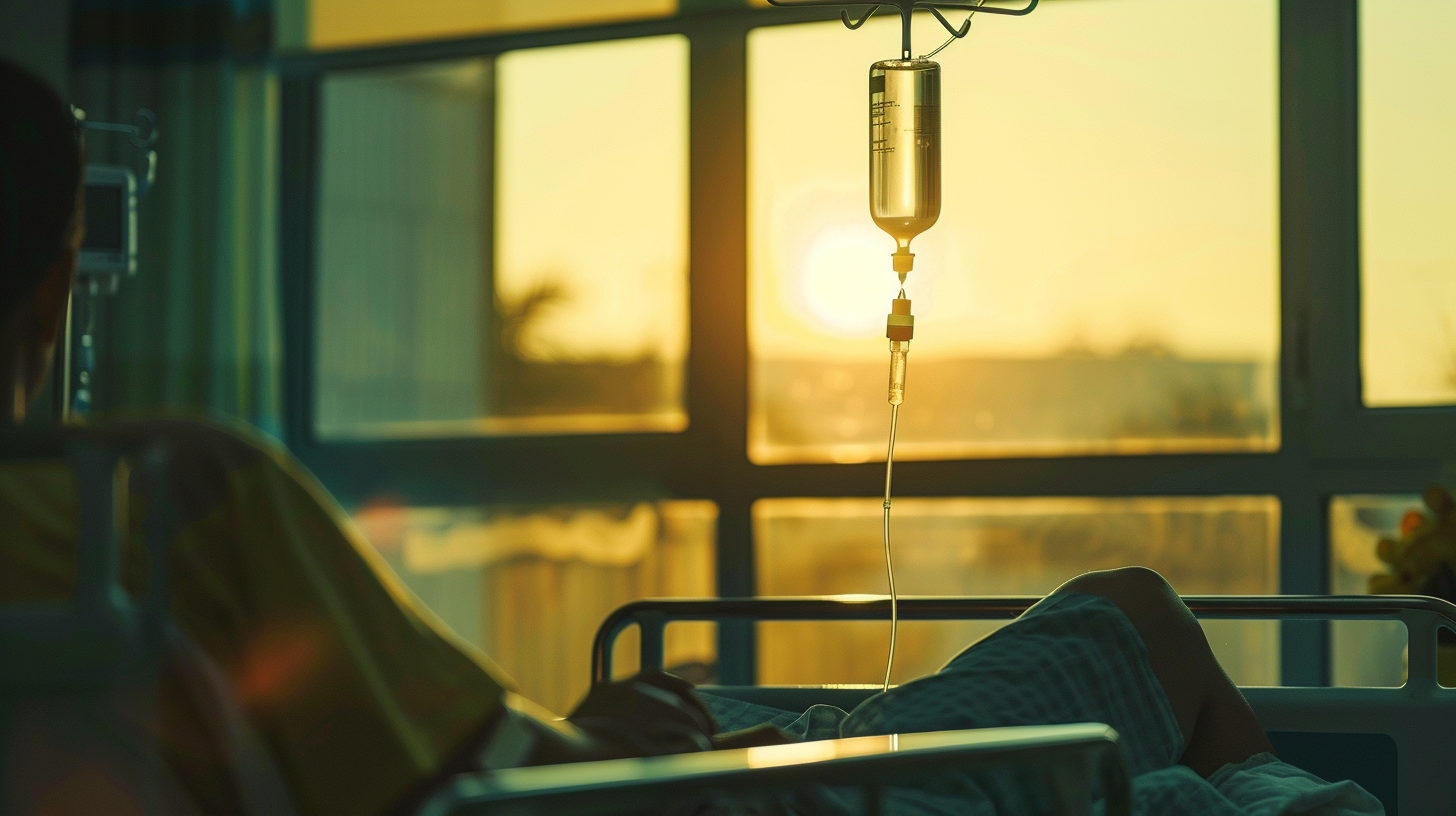
New discoveries at the intersection of oncology and chronobiology (the science of biological rhythms) reveal that when a cancer treatment is administered can be just as crucial as the method itself. According to clinical observations, patients with certain types of lung cancer show significantly higher survival rates when therapy is administered in the first half of the day, driven by biological clock synchronization.
The research data indicates that 3:00 p.m. serves as a critical threshold. Patients who receive their treatment before 3:00 p.m. often exhibit a much more effective and robust response from their organism. This proves that our internal biological clock directly influences the efficacy of intensive medical interventions.
This phenomenon is deeply rooted in our circadian rhythms—the 24-hour internal cycles that regulate everything from hormone levels to immune cell activity. Aligning immunotherapy or chemotherapy with the natural peaks of the body's defense systems allows healthcare providers to maximize the drug's impact while potentially reducing toxic side effects.
Although large-scale trials are still necessary to officially standardize clinical schedules, these findings are reshaping the future of precision medicine. In that future, scheduling will become a fundamental and indispensable component of the treatment plan.
See the source.
Based on views

Related materials