Scientists Solve Decades-Old Mystery of Ginger Cats
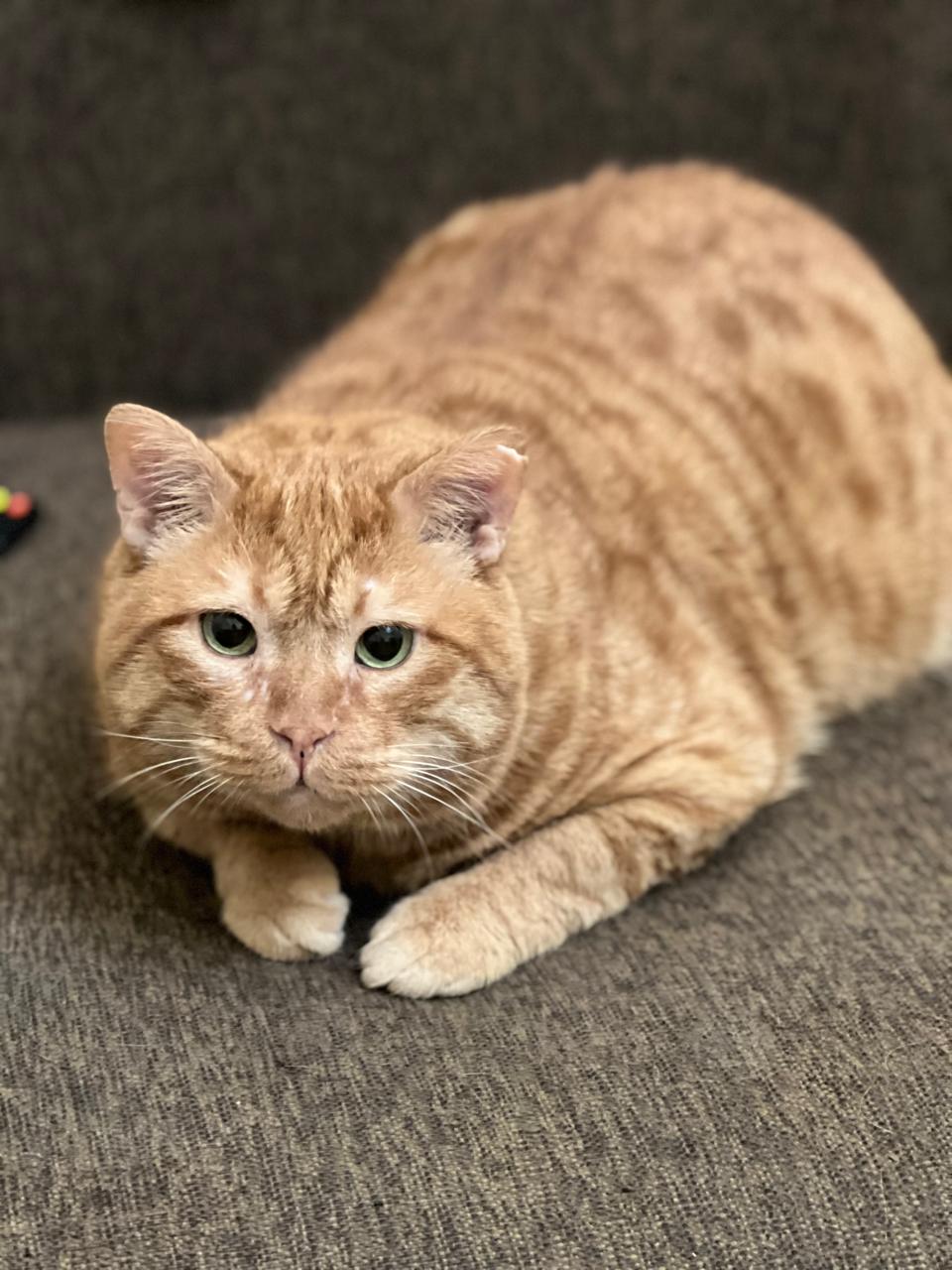
Scientists have finally solved why many cats are orange (ginger). Research teams from Stanford and Kyushu Universities have identified a specific mutation on the X chromosome responsible for the distinctive orange coat in cats. This explains why most ginger cats are male, while calico and tortoiseshell cats are predominantly female.
Sex in cats is determined by X and Y chromosomes. Females have two X chromosomes, while males have one X and one Y. When a female cat has a mutated X chromosome, different chromosomes activate in different parts of her body, resulting in calico or tortoiseshell cats with orange and black patches. This is like a cellular mosaic, where each cell uses only one of its X chromosomes.
Research shows that approximately 81% of orange cats are male. This is not coincidental. Since males have only one X chromosome, they only need to inherit one orange gene to be completely orange. Females need two orange genes—one on each X chromosome—which occurs much less frequently. This genetic characteristic explains why orange female cats are comparatively rare.
See the source.

Related materials