Epidemiological Consequences of Violating Thermal Storage Regimes for Cooked Rice
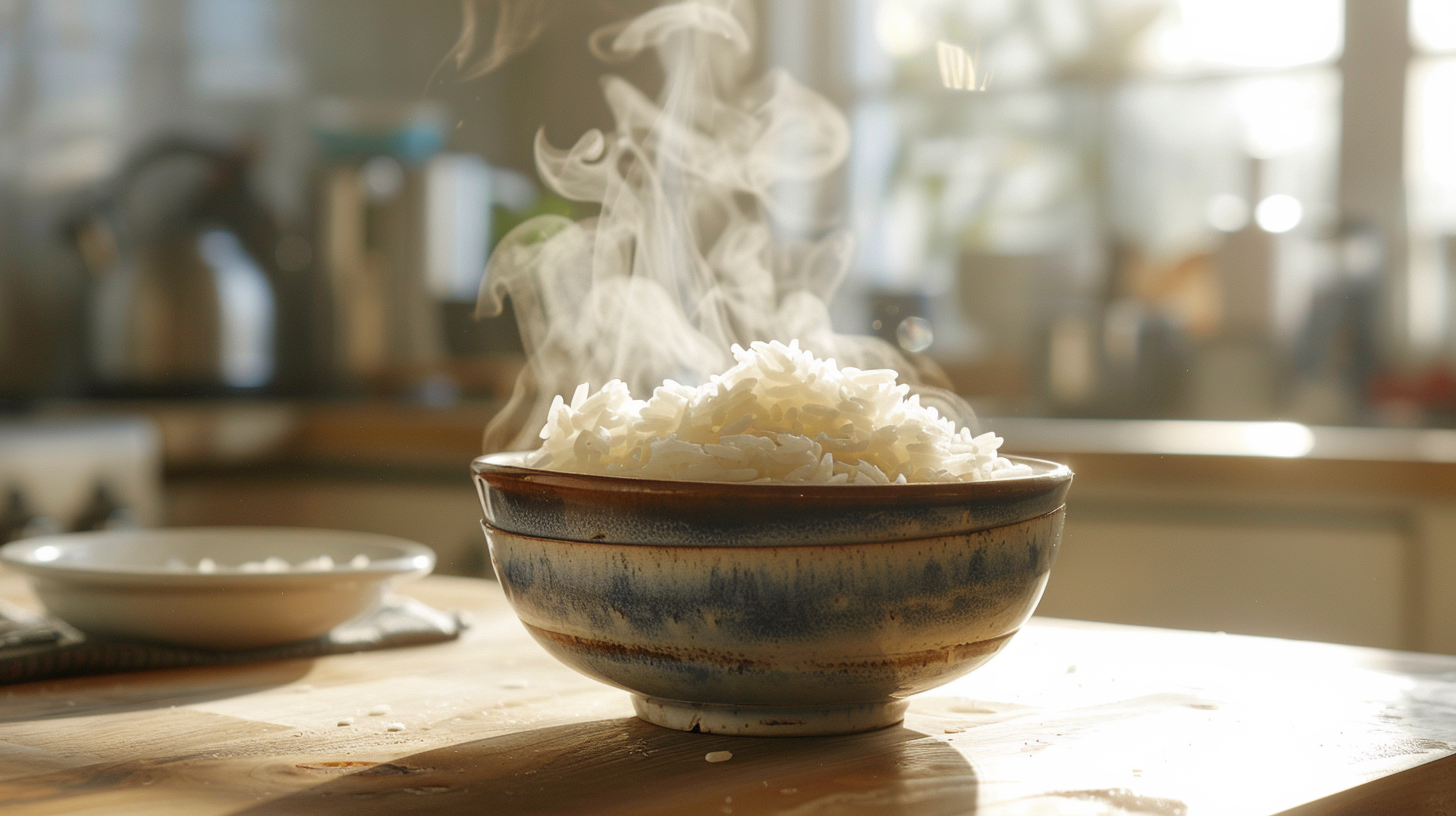
Food safety experts and epidemiologists regularly raise concerns regarding the risks associated with the improper storage of cooked rice, the primary causative agent of which is the Bacillus cereus bacterium. This microorganism is widely distributed in the environment, and its dangerous characteristic is its ability to form heat-resistant spores. While high temperatures during the cooking process destroy active bacteria, the spores often retain their viability. When cooked rice remains at room temperature for an extended period (typically more than two hours), these spores activate, transforming into vegetative bacteria and multiplying rapidly in the nutrient-rich medium.
The root cause of food poisoning is not the bacterium itself, but rather the toxin it produces, called cereulide, which is scientifically characterized by high thermostability (heat resistance). This means that it does not decompose even at boiling temperatures, and reheating food cannot neutralize the toxin if it has already formed. After consuming rice contaminated with the toxin, acute food intoxication develops quite rapidly—within 1 to 5 hours—which is also known in medicine as "Fried Rice Syndrome." The main clinical symptoms include nausea, acute vomiting, and abdominal cramps.
To ensure safety and minimize risks, international guidelines strongly advise strictly adhering to temperature control guidelines for food storage. Specifically, cooked rice should not remain at room temperature for more than one hour; it is necessary to cool it as soon as possible and store it in a refrigerator (below 4°C). Furthermore, refrigerated rice should be consumed within 24 hours, and before consumption, it should be reheated thoroughly once, although, as noted, this does not eliminate pre-existing toxins but rather prevents the growth of new bacteria.
See the source.

Related materials