Digital Mayors: The Role of AI in Managing Modern Smart Cities

As urban populations continue to grow, cities face increasing challenges in managing resources, reducing environmental impact, and improving quality of life for residents. Artificial Intelligence (AI) is emerging as a powerful tool to address these challenges, promising to transform urban areas into more efficient, sustainable, and livable spaces. This article explores how AI can optimize traffic management, reduce energy consumption, and improve waste management in cities.
1. Optimizing Traffic Management
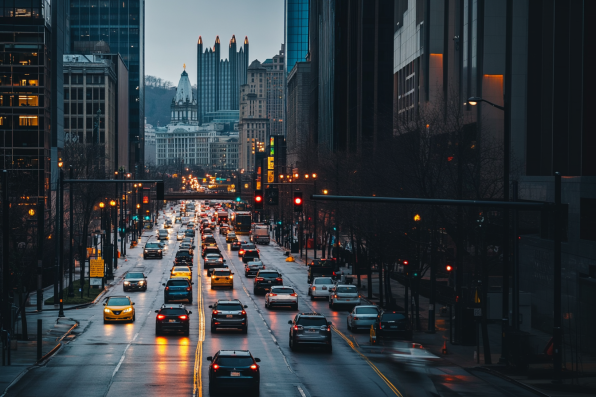
AI-powered traffic management systems are revolutionizing urban mobility:
1. Adaptive Traffic Signals: AI algorithms can analyze real-time traffic data from cameras and sensors to adjust signal timing, reducing congestion and improving traffic flow. For example, Pittsburgh's Surtrac system has reduced travel time by 25% and wait time at intersections by 40%.
2. Predictive Modeling: Machine learning models can forecast traffic patterns, allowing city planners to proactively manage traffic and plan infrastructure improvements. London uses AI to predict traffic up to an hour in advance, enabling proactive congestion management.
3. Smart Parking: AI-enabled parking systems can guide drivers to available spaces, reducing time spent searching and decreasing emissions from idling vehicles. San Francisco's SFpark system uses AI to adjust parking prices based on demand, reducing parking search time by 43%.
4. Autonomous Vehicles: AI is crucial in developing self-driving cars, which could dramatically reduce accidents and improve traffic flow. Companies like Waymo are already testing autonomous taxis in cities like Phoenix.
5. Public Transportation Optimization: AI can analyze ridership data to optimize bus and train schedules, improving service efficiency. Singapore uses AI to predict bus ridership and adjust services in real-time.
2. Reducing Energy Consumption
AI is playing a crucial role in making cities more energy-efficient:
1. Building Energy Management: AI systems can analyze data from sensors to optimize heating, cooling, and lighting in buildings, significantly reducing energy waste. The Deloitte office in Amsterdam uses an AI system that has reduced energy consumption by 50%.
2. Smart Street Lighting: AI-controlled street lights can adjust brightness based on pedestrian and vehicle activity, saving energy while maintaining safety. Barcelona has implemented smart lighting that saves 30% on energy costs.
3. Energy Theft Detection: AI algorithms can analyze power consumption patterns to detect energy theft, a significant problem in many cities. In India, AI has helped reduce power theft by up to 80% in some areas.
3. Improving Waste Management
AI is transforming waste management practices in cities:
1. Automated Sorting: AI-powered robotic systems can improve recycling efficiency by accurately sorting different types of waste. Finland's ZenRobotics uses AI-driven robots to sort construction waste with 98% accuracy.
2. Predictive Maintenance: AI can predict when waste management equipment needs maintenance, reducing downtime and improving overall system efficiency. The city of Philadelphia uses AI to predict and prevent clogged sewers.
3. Waste-to-Energy Optimization: AI can optimize the process of converting waste to energy, improving efficiency and reducing emissions. The Amager Bakke plant in Copenhagen uses AI to optimize its waste-to-energy processes.
4. Illegal Dumping Detection: AI-powered cameras can detect and report illegal dumping. In Australia, the city of Darwin uses AI cameras to catch and fine illegal dumpers.

4. Challenges and Considerations
While the potential benefits of AI in smart cities are significant, there are challenges to consider:
1. Data Privacy: The collection and use of vast amounts of data raise concerns about privacy and data security. Cities must implement robust data protection measures.
2. Digital Divide: Ensuring equitable access to smart city benefits across all socioeconomic groups is crucial. Cities need to address issues of digital literacy and access.
3. Infrastructure Costs: Implementing AI systems often requires significant upfront investment in infrastructure and technology. Cities need to carefully consider cost-benefit analyses.
4. Cybersecurity: As cities become more connected, they also become more vulnerable to cyberattacks. Robust cybersecurity measures are essential. Ensuring fairness and transparency in AI decision-making is crucial.
5. Conclusion
The integration of AI in smart cities offers tremendous potential for creating more sustainable and livable urban environments. By optimizing traffic management, reducing energy consumption, and improving waste management, AI can help cities address some of their most pressing challenges. As technology continues to advance, we can expect to see even more innovative applications of AI in urban settings, paving the way for truly smart and sustainable cities of the future.

Related materials