Massachusetts Institute of Technology (MIT): A Pioneer in Technological Education
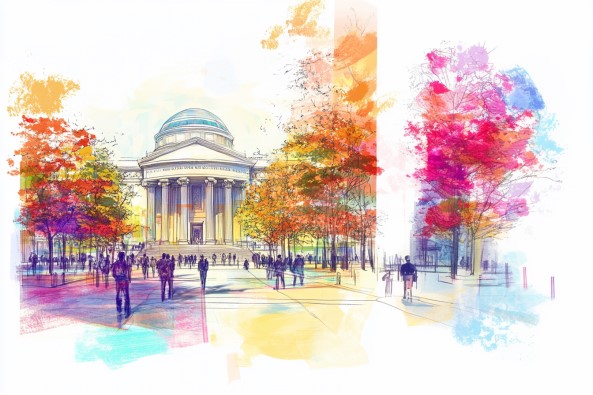
The first article in the "The World's technological universities" project is dedicated to the Massachusetts Institute of Technology (MIT), one of the leading technological educational institutions in the United States and worldwide.
Massachusetts Institute of Technology (MIT): A Pioneer in Technological Education
1. Introduction
The Massachusetts Institute of Technology (MIT) stands as a beacon of technological education and innovation in the United States and globally. It's renowned for its cutting-edge research, world-class faculty, and groundbreaking contributions to science and technology.
Founded in 1861, MIT is located in Cambridge, Massachusetts. It hosts approximately 11,500 students across five schools and one college, with a focus on scientific and technological research.
2. Founding History
MIT was founded in 1861 by William Barton Rogers, with the vision of creating a new kind of independent educational institution relevant to an increasingly industrialized America. The institute adopted a European polytechnic university model and stressed laboratory instruction in applied science and engineering.

3. Rankings and Reputation
MIT consistently ranks among the top universities globally. In the 2024 QS World University Rankings, MIT holds the #1 position overall. It also ranks first in several specific subject areas:
- Engineering and Technology
- Computer Science
- Mathematics
- Natural Sciences
Key performance indicators include:
- Academic reputation score: 100/100
- Employer reputation score: 100/100
- Faculty/student ratio: 100/100
- Citations per faculty: 100/100
- International faculty ratio: 99.8/100
- International student ratio: 96.5/100
Admission statistics underscore the institute's rigorous standards:
- Acceptance rate: 4% (for the Class of 2026)
- SAT scores (25th-75th percentile): 1510-1570
- ACT scores (25th-75th percentile): 34-36
These outstanding rankings and metrics reflect MIT's academic excellence, distinguished faculty, and the remarkable success of its graduates.
4. Programs Offered
MIT offers a wide range of undergraduate and graduate programs across six schools:
- School of Architecture and Planning
- School of Engineering
- School of Humanities, Arts, and Social Sciences
- Sloan School of Management
- School of Science
- Schwarzman College of Computing
5. Research Centers and Laboratories
MIT is home to numerous cutting-edge research centers and laboratories, including:
- MIT Media Lab
- Computer Science and Artificial Intelligence Laboratory (CSAIL)
- Koch Institute for Integrative Cancer Research
- MIT Energy Initiative
- Plasma Science and Fusion Center
These facilities not only produce groundbreaking research but also offer students unique opportunities to engage in important projects and collaborate with leading scholars.

6. Technology and Innovation
MIT is at the forefront of technological innovation. The institute has been instrumental in developing technologies that have shaped the modern world, including:
- The World Wide Web Consortium (W3C)
- RSA encryption
- GPS technology
- The Human Genome Project
MIT also has a strong culture of entrepreneurship, with many startups and companies originating from MIT research and alumni initiatives.

7. Libraries and Learning Resources
The MIT Libraries system includes five major libraries:
- Hayden Library (Humanities and Science)
- Barker Engineering Library
- Dewey Library (Social Sciences and Management)
- Rotch Library (Architecture and Planning)
- Lewis Music Library
These libraries collectively house over 2.5 million printed volumes and provide access to over 400,000 electronic books and journals.

8. Student Life and International Atmosphere
MIT boasts a diverse student body, with international students comprising about 30% of the undergraduate population and 42% of the graduate population. The institute hosts numerous student organizations and clubs, fostering a vibrant and innovative community.

9. Admission Requirements
MIT maintains rigorous admission standards. Key requirements include:
- High school diploma or equivalent
- SAT or ACT scores (optional for 2023-2025 admissions cycles)
- TOEFL, IELTS, or Duolingo English Test for international applicants
- A comprehensive application package, including essays and letters of recommendation
10. Tuition and Financial Aid
For the 2024-2025 academic year, the estimated cost of attendance for undergraduates is $84,850, which includes:
- Tuition: $57,986
- Room and board: $19,090
- Books and supplies: $800
- Personal expenses: $2,240
MIT is committed to need-blind admissions and meeting 100% of demonstrated financial need for all admitted undergraduates. In 2021-2022, 82% of undergraduates received some form of financial aid.
11. Notable Alumni
MIT boasts an impressive list of alumni who have made significant contributions to various fields:
- Buzz Aldrin (astronaut, second person to walk on the moon)
- Kofi Annan (former UN Secretary-General)
- Ilene S. Gordon (former CEO of Ingredion)
- Jonah Peretti (co-founder of BuzzFeed and The Huffington Post)
- Katharine McCormick (biologist and philanthropist)

12. Information for Prospective Students from Armenia
MIT welcomes international students and encourages applications from around the world, including Armenia. Armenian applicants must meet the same requirements as all other international students, including demonstrating English proficiency through standardized tests.
13. Conclusion
The Massachusetts Institute of Technology continues to be a global leader in technological education and innovation. With its rich history, cutting-edge research facilities, and commitment to solving the world's most pressing challenges, MIT shapes the future of science and technology by preparing tomorrow's leaders and innovators.
About the Next Article
Stay tuned for the next installment in STEMNEWS.am's "The World's technological universities" series, focusing on Stanford University. Renowned for its strong programs in computer science and engineering, Stanford University is another powerhouse of technological education.
Our upcoming article will delve into Stanford's unique features, showcase its leading programs, and explore the exceptional opportunities it offers students, particularly international applicants. We'll also highlight Stanford's innovative approaches to technological education and its pivotal role in Silicon Valley's tech ecosystem.
Prepare to discover how Stanford University is shaping the future of technology and creating opportunities for aspiring STEM professionals worldwide, including those from Armenia.

Related materials