Stanford University: The Cradle of Silicon Valley Innovation
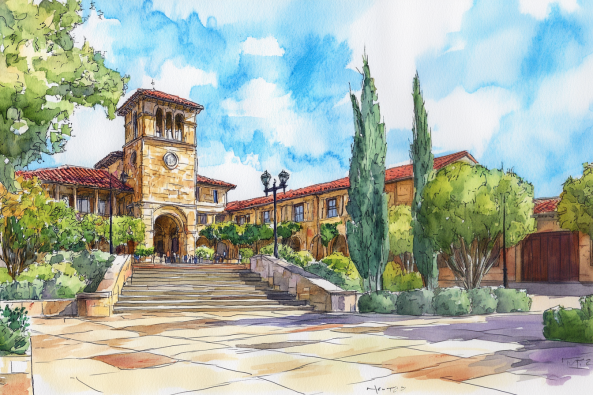
STEMNEWS.am continues its special project "The World's technological universities". The project aims to introduce readers to the world's leading technological institutions. This innovative initiative will present each university's unique characteristics, academic programs, and opportunities using the latest technological tools. This is the second article in the project, dedicated to Stanford University - an educational institution in the heart of Silicon Valley that is a global leader in science and technology.
1. Introduction
Stanford University, founded in 1885, is located in Stanford, California. It is known as a world-class research institution and center for technological innovation. The university has approximately 17,000 students distributed across seven academic schools.
2. History of Foundation
The university was founded by Leland and Jane Stanford in memory of their only child, Leland Stanford Jr. They believed California needed a leading university on the West Coast. Stanford's approach of combining practical education with liberal arts was innovative for its time.
3. Rankings and Reputation
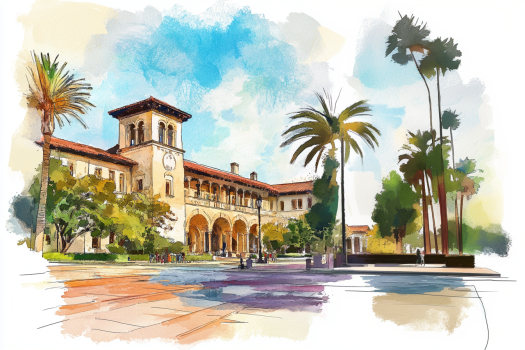
In the 2024 QS World University Rankings, Stanford ranks 6th. The university holds leading positions particularly in:
- Computer Science
- Artificial Intelligence
- Engineering
- Business and Management
- Medicine
Key Indicators:
- Academic Reputation: 100/100
- Employer Evaluation: 100/100
- Research Impact: 100/100
- International Student Ratio: 98.4/100
Admission Statistics:
- Acceptance Rate: 3.7% (2023)
- Average SAT Score: 1440-1550
- Average ACT Score: 32-35
4. Academic Structure and Programs
Stanford has seven academic schools:
School of Engineering:
- Computer Science
- Electrical Engineering
- Mechanical Engineering
School of Humanities and Sciences:
- Physics
- Mathematics
- Chemistry
- Graduate School of Business
- School of Education
- Law School
- School of Medicine
- School of Earth, Energy and Environmental Sciences

5. Research Centers
Stanford is known for its powerful research activities. Main research centers include:
- SLAC National Accelerator Laboratory
- Stanford Institute for Artificial Intelligence
- Stanford Bio-X Center
- Stanford Nanotechnology Laboratory
- Cybersecurity Research Center
The university's researchers publish more than 12,000 scientific papers annually.
6. Technology and Innovation
Stanford is a key part of Silicon Valley's innovative ecosystem.
The university has:
- StartX accelerator program
- Stanford Entrepreneurship Network
- Innovation laboratories
- Technology Licensing Office
Stanford graduates have founded companies such as Google, Nike, Netflix, and LinkedIn.
7. Libraries and Academic Resources
Stanford's library system includes:
Main Libraries:
- Cecil H. Green Library (main library for humanities and social sciences)
- Engineering Library
- Lane Medical Library
- Robert Crown Law Library
- Science Library
Specialized Libraries:
- Art and Architecture Library
- Business Library
- Earth Sciences Library
- East Asia Library
- Education Library (Cubberley)
- Marine Biology Library
- Miller Music Library
- Terman Engineering Library
Special Collections Libraries:
- David Rumsey Map Center
- Special Collections and University Archives Library
- Sound Recordings Archive
Research Center Libraries:
- Hoover Institution Library and Archives
- Stanford Auxiliary Library
- SLAC National Accelerator Laboratory Library
These libraries together contain more than 12 million printed materials and provide access to a vast collection of digital resources.

8. Student Life
- 600+ student organizations
- 36 university sports teams
- Numerous cultural and scientific events
- Active student community
The university has numerous student organizations and clubs that contribute to forming a vibrant and innovative community.
9. Admission Requirements
Stanford has strict admission criteria. Main requirements include:
- High school diploma or equivalent
- SAT or ACT test scores
- TOEFL, IELTS, or Duolingo English test for international applicants
- At least two SAT Subject Tests
- Two recommendations from school teachers
- Application essays
- Evidence of extracurricular activities
10. Tuition and Financial Aid
Estimated costs for undergraduate students for the 2024-2025 academic year total $92,892 USD, including:
Tuition: $65,127 USD
Room and Board: $21,315 USD
Student Fees: $2,400 USD
Books and Supplies: $825 USD
Personal Expenses: $3,225 USD
Travel: varies by location
Main types of financial aid:
- Grants
- Scholarships
- Work-study program
- Student loans
In 2022-2023:
- 70% of students received financial aid
- Average financial aid package was $52,030 USD
- 47% of families paid no tuition
- 84 graduates received Stanford Fellowship
11. Notable Alumni
Stanford has a long list of distinguished alumni who have made significant contributions in various fields:
- Larry Page and Sergey Brin (Google co-founders)
- Elon Musk (founder of Tesla and SpaceX)
- Reed Hastings (Netflix co-founder)
- Sally Ride (first American woman astronaut)
- Herbert Hoover (31st President of the United States)

12. Information for Applicants from Armenia
Stanford welcomes international students and encourages applications from various countries around the world, including Armenia. Applicants from Armenia must meet the same requirements as all other international students, including demonstrating English proficiency through standardized tests.
13. Conclusion
Stanford University continues to remain a global leader in education, research, and innovation. Its exceptional position in Silicon Valley, world-class faculty, and innovative approaches to education ensure its leading role in technological advancement.
About the Next Article
Stay tuned for the third part of STEMNEWS.am's "The World's technological universities" series, which will focus on the California Institute of Technology (Caltech). Caltech is known for its strong science and engineering programs, as well as its close ties with NASA's Jet Propulsion Laboratory.

Related materials