Revolution in Physics: Einstein's Theory of Relativity
Introduction
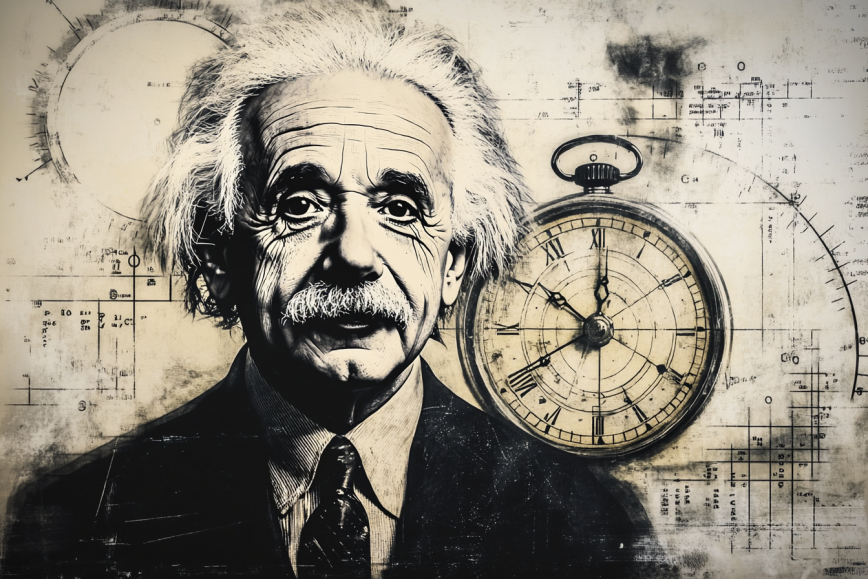
At the dawn of the 20th century, a young physicist named Albert Einstein revolutionized science. His proposed theory of relativity transformed our understanding of the universe, time, and space.
1. Historical Context
Einstein's theory consists of two parts: special relativity and general relativity.
By the end of the 19th century, physics faced several inconsistencies. Maxwell's electromagnetic theory contradicted Newton's mechanics. The Michelson-Morley experiment demonstrated that the speed of light is constant. To resolve these contradictions, Einstein developed his revolutionary theory.
2. Special Theory of Relativity
Special relativity is founded on two simple yet revolutionary ideas: first, the laws of physics are the same in all inertial reference frames, and second, the speed of light in a vacuum is constant regardless of the observer's motion.
These ideas led to astonishing conclusions. For instance, time ceased to be an absolute concept. It was discovered that time passes more slowly for rapidly moving objects than for stationary ones. This phenomenon is called time dilation.
Special relativity also revealed that length is relative. Objects moving at high speeds contract in the direction of motion. Mass also depends on velocity; it increases with increasing speed. These effects become noticeable only at speeds approaching the speed of light.

3. General Theory of Relativity
The general theory of relativity went even further. It explained gravity as the curvature of space-time. Imagine a vast rubber membrane. If you place a heavy ball on it, the membrane will bend. Similarly, massive bodies such as stars and planets curve the space-time around them.
This theory explained several phenomena that were previously incomprehensible. For example, it predicted the bending of light rays in strong gravitational fields, which was later confirmed by observations made during solar eclipses.
General relativity also explained the precession of Mercury's perihelion. The theory predicted the existence of gravitational waves, which were detected in 2015. It laid the foundation for modern cosmology. General relativity is also used to study black holes.

4. The E=mc² Formula
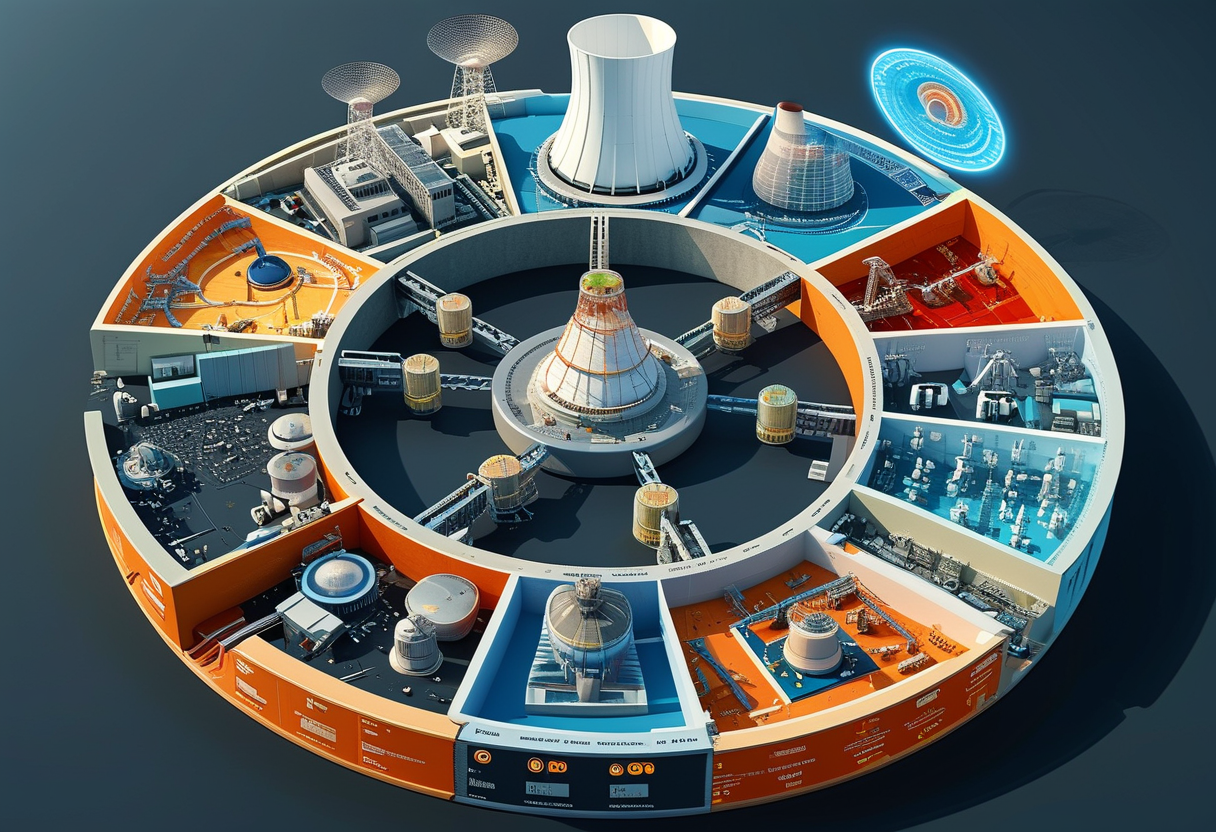
Another crucial outcome of special relativity is the famous E=mc² formula. It demonstrates that energy and mass are interrelated. This formula explains how stars produce energy and has been the basis for the development of nuclear energy.
The E=mc² formula revolutionized our understanding of energy. It showed that even a small mass can be converted into enormous energy. The formula explains the source of stellar energy - the fusion of hydrogen into helium. It also served as the foundation for the creation of nuclear power plants.
5. Impact and Applications of the Theory
The theory of relativity has numerous practical applications. For instance, GPS systems account for time dilation to provide accurate positioning. Without this correction, GPS would err by about 10 kilometers per day.
The theory of relativity is also used in calculating particle motion in accelerators. It is applied in modern astronomy to measure the distance of remote galaxies. The theory is fundamental to quantum field theory, which describes elementary particles. Relativity also plays a crucial role in modern cosmology and the study of the universe's expansion.
6. Modern Experimental Confirmations
Einstein's theory also predicted the existence of black holes. These are objects so dense that even light cannot escape from them. In 2019, scientists were able to photograph a black hole for the first time, proving Einstein's predictions correct.
In 2015, the LIGO experiment detected gravitational waves, confirming another prediction of the theory. In 2017, the collision of neutron stars was observed, which confirmed the accuracy of the E=mc² formula. Modern experiments continue to test the theory using increasingly precise equipment. Quantum gravity theories are attempting to unify relativity with quantum mechanics.
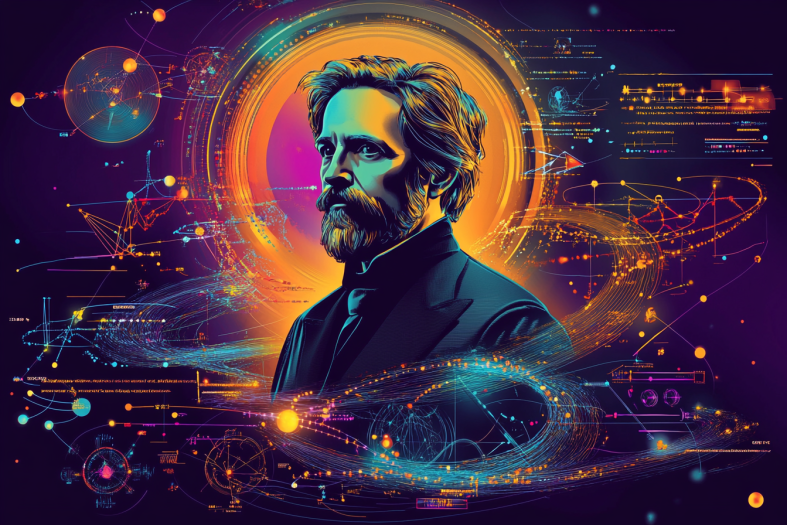
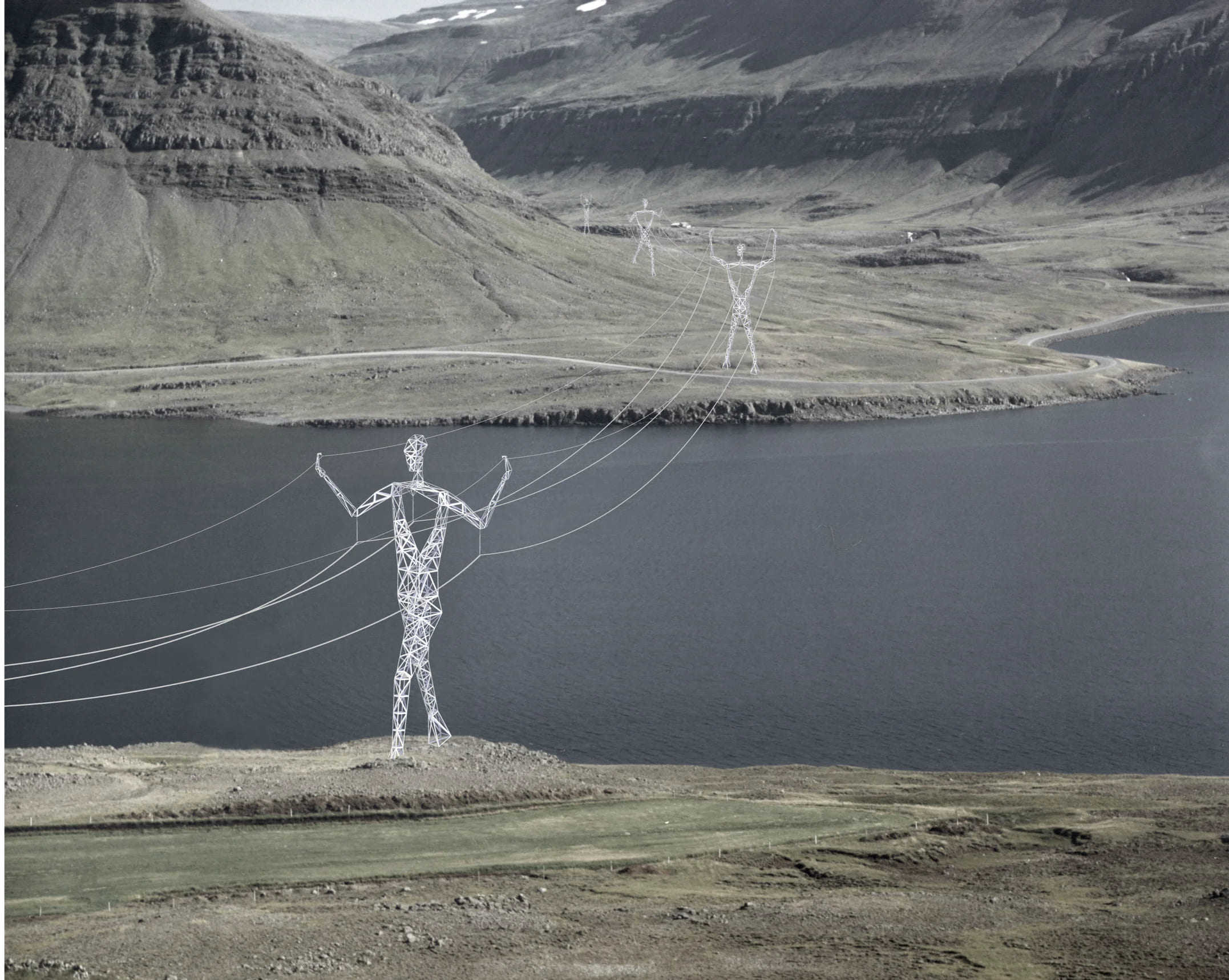
Conclusion The theory of relativity continues to be one of the cornerstones of modern physics. It not only changed our understanding of the universe but also influenced philosophy and culture. Although there are still unresolved questions, Einstein's legacy continues to inspire a new generation of scientists to uncover the secrets of the universe. The main image of the article symbolizes the revolution in physics.
Related materials