Armenian Scientists Who Changed the World
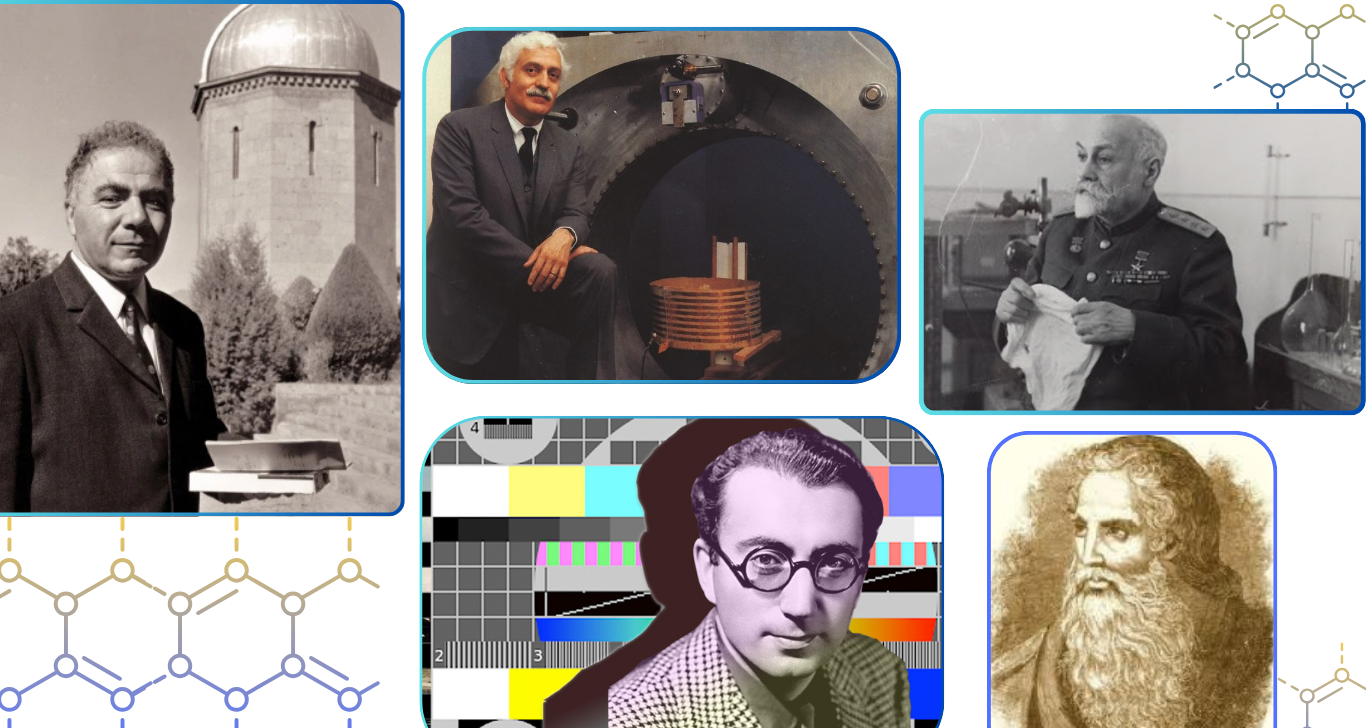
Armenian scientific thought has had its unique development path throughout centuries and has made significant contributions to global science. This article presents Armenian scientists who have made substantial impacts on various scientific fields through their work and research.
Anania Shirakatsi (c. 610-685)
In the 7th century, when science in Europe was in a period of stagnation, Armenian thinker Anania Shirakatsi was developing mathematics, astronomy, and geography. Born in the Shirak province, he received his education in Byzantium and then returned to his homeland to spread his knowledge.
Shirakatsi's main contributions include:
- Creation of the first Armenian textbook on "Arithmetic"
- Substantiation of Earth's spherical shape in Armenian scientific thought
- Development of chronology and reformation of the Armenian calendar
- Description of astronomical phenomena, including solar and lunar eclipses
Shirakatsi founded his own school where he taught natural sciences to young people. His works, such as "Cosmography" and "Geography," have been preserved to this day and testify to the high level of medieval Armenian science.
Viktor Hambardzumyan (1908-1996)
One of the most famous Armenian scientists of the 20th century, Viktor Hambardzumyan, made fundamental contributions to the development of astrophysics. Born in Tiflis, he received his education at Leningrad University and later connected his scientific activities with Armenia.
In 1946, Hambardzumyan founded the Byurakan Observatory, which became one of the leading astronomical centers in the Soviet Union. His main scientific achievements include:
- Discovery of stellar associations (1947), which proved that the process of star formation is still continuing in the universe
- Development of new theories of stellar evolution
- Advancement of radiation transfer theory
Hambardzumyan led the Armenian Academy of Sciences (1943-1993), served as the president of the International Astronomical Union (1961-1964), and received numerous international awards and titles. His work changed established stereotypes in astronomy and opened new horizons for astrophysics.

Raymond Damadian (1936-2022)
Armenian-American physician and scientist Raymond Damadian played a revolutionary role in the field of medical diagnostics by inventing Magnetic Resonance Imaging (MRI).
In 1970, Damadian was the first to notice that cancerous tissues have different magnetic resonance properties than healthy tissues. This discovery became the foundation for MRI, which is vital for medical diagnostics today.
In 1977, Damadian built the first MRI machine, called "Indomitable," and performed the first MRI scan on a human in history. In 1978, he received the first patent for MRI technology.
Despite initial skepticism about his discovery, today MRI is an irreplaceable tool for medical diagnostics and has saved millions of lives. Damadian's work has been recognized with numerous awards, including membership in the National Inventors Hall of Fame in the United States. Damadian passed away in 2022, leaving behind an enormous legacy in the field of medicine and diagnostic technologies.
Levon Orbeli (1882-1958)
Levon Orbeli was a world-renowned physiologist who made significant contributions to the development of neurophysiology. Born into an Armenian family in the city of Nukhi in Artsakh, he received his education at the St. Petersburg Military Medical Academy.
Orbeli is considered one of Ivan Pavlov's most prominent students, who later developed his teacher's ideas to become one of the leading figures in Soviet physiology. His major scientific achievements include:
- Study of the sympathetic nervous system's effect on skeletal muscles (known as the "Orbeli Phenomenon")
- Development of the evolutionary theory of adaptation
- Study of higher functions of the central nervous system
- Development of age-related physiology
From 1935 to 1950, Orbeli led the I.P. Pavlov Institute of Physiology, and in 1956 became the director of the Institute of Experimental Medicine. From 1943 to 1946, he was the first president of the USSR Academy of Medical Sciences, and from 1942 to 1946, he headed the Leningrad Naval Medical Academy.
Hovhannes Adamian (1879-1932)
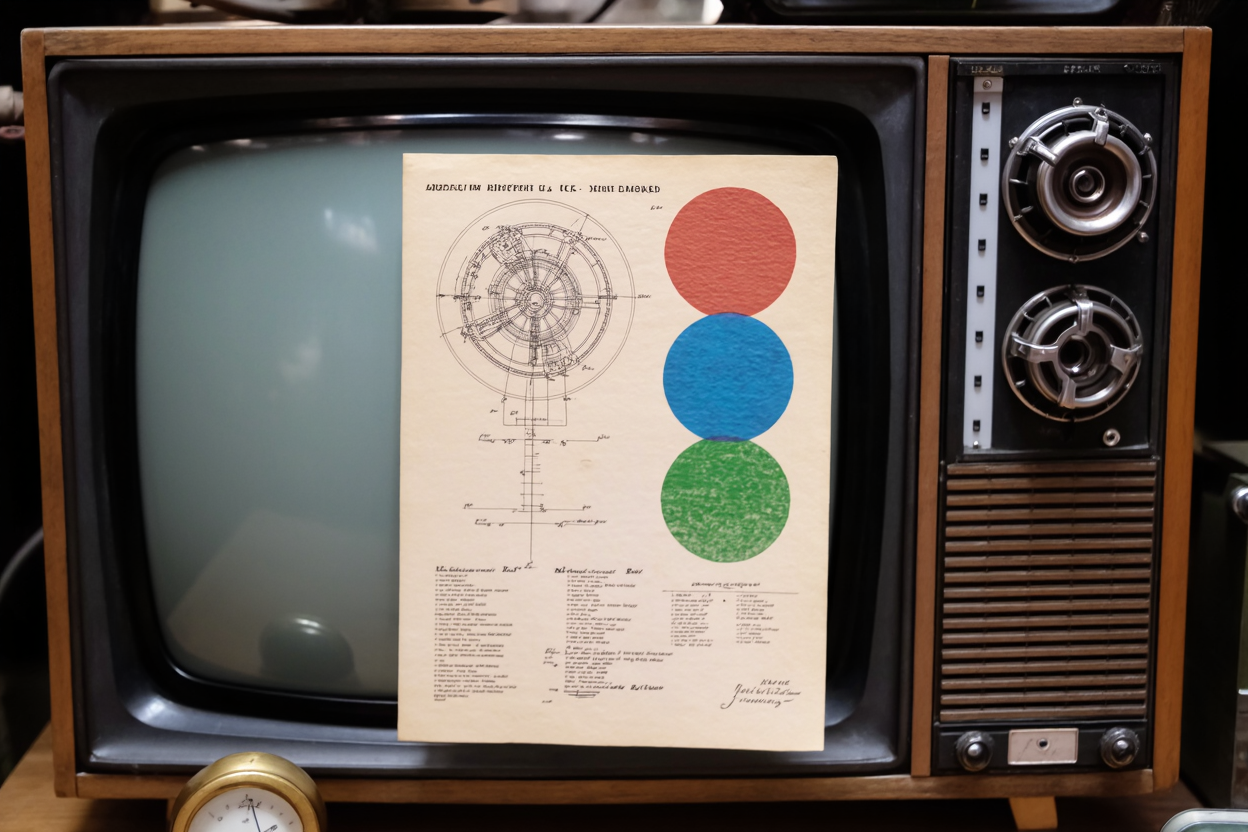
Hovhannes Adamian is known as the author of the basic principles of color television. In the early 20th century, when television was still in its early stages of development, Adamian was already working on technologies for transmitting color images.
In 1908, he proposed a tricolor system for color television based on a combination of red, green, and blue colors. In 1925, Adamian received a patent for his invention, which later became the basis for modern color television.
Besides television technologies, Adamian also worked on petrochemistry and rubber synthesis methods. His work has had a significant impact on the development of both television and the chemical industry.
Unfortunately, Adamian passed away in 1932, never seeing the full implementation of his ideas. Color television became widespread only in the 1950s-60s, but his role in the foundation of this technology is undeniable.
Conclusion
The contribution of Armenian scientists to the history of world science is impressive and diverse. From Anania Shirakatsi to Adamian, Armenian scientific thought has continued to develop and enrich humanity's knowledge base.
The successes of these scientists best demonstrate that small nations can also make great contributions to the development of world science and culture. Their work has not only elevated the role of science in Armenian society but has also contributed to strengthening international scientific cooperation.
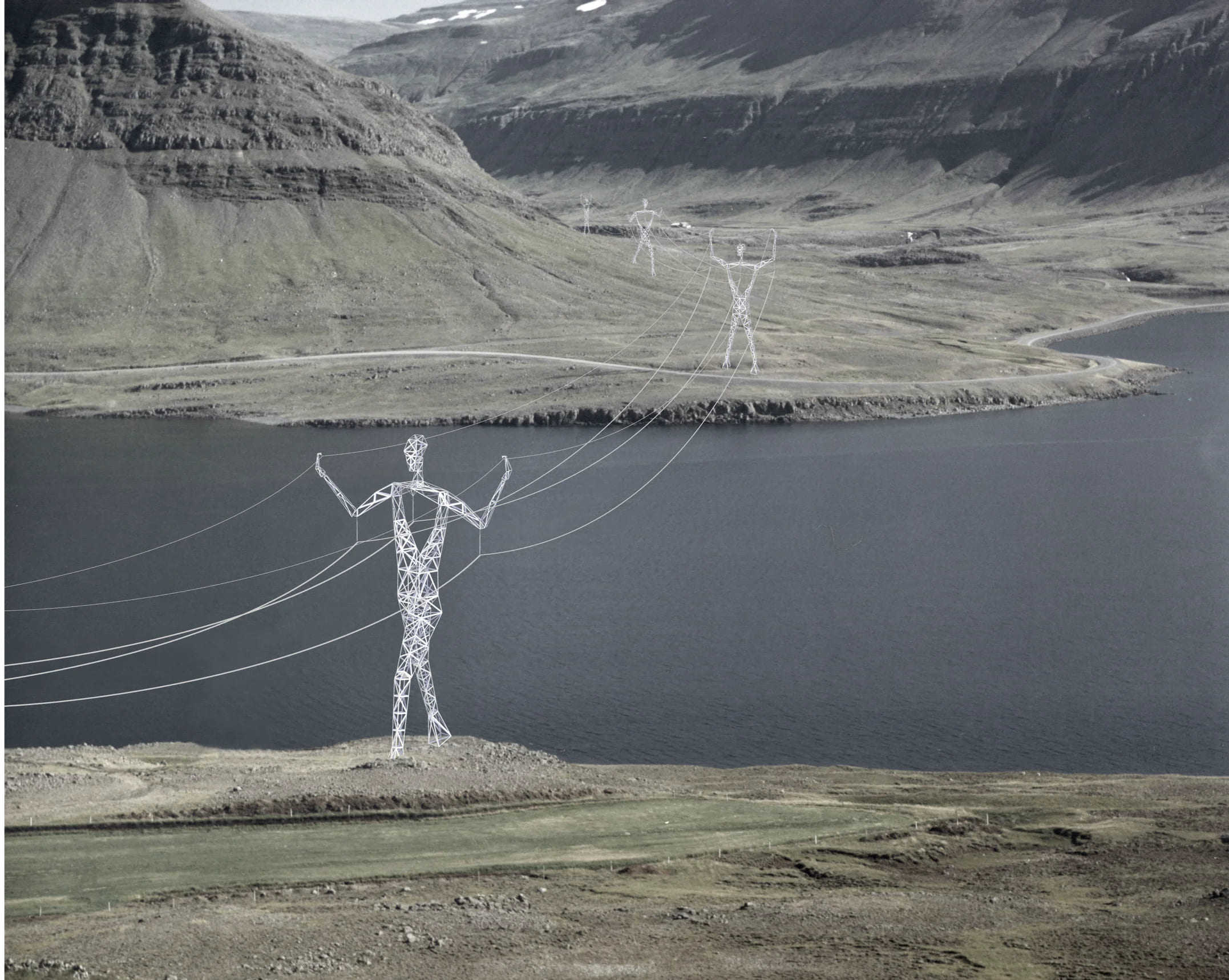
The main image of the article symbolizes
Armenian scientific contributions.
Author Gevorg Zadoyan.
Related materials