Aquamation: A New Environmentally Friendly Burial Method
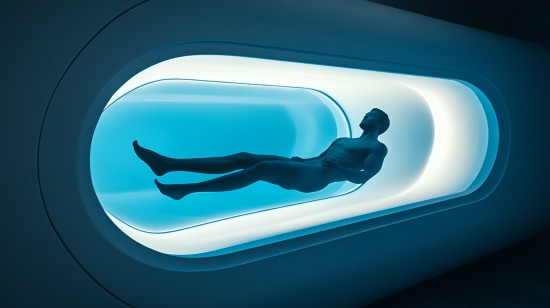
Alongside traditional burial and cremation methods, a new, more environmentally friendly option has emerged today: water cremation or aquamation. This process, also known as alkaline hydrolysis, uses water and an alkaline solution to decompose the body, leaving only the skeleton.
During aquamation, the body is placed in a pressurized vessel filled with a heated solution of water and potassium hydroxide. The process occurs at temperatures of 90-150°C and breaks down organic materials over several hours, leaving only the bones. These are then dried and reduced to a fine white powder, similar to traditional cremation remains.
Unlike cremation, aquamation does not emit harmful substances and uses 90% less energy, making it a sustainable choice.
Recently, this method gained media attention when South African Archbishop Desmond Tutu chose aquamation for his funeral. Known for his humility and environmental advocacy, Tutu's decision reflects a broader trend toward adopting sustainable end-of-life practices.
See the source.

Related materials