

Scientific achievements of Armenians
STEMNEWS.am is launching the special project "Famous Scientific Achievements," showcasing revolutionary scientific discoveries throughout history. This initiative will illuminate the essence of each achievement, its authors, and its impact on human development using modern technologies. The goal is to make science more understandable by combining historical facts, scientists' biographies, and interactive content. The project will help readers appreciate the importance of scientific progress and inspire them to make new discoveries.
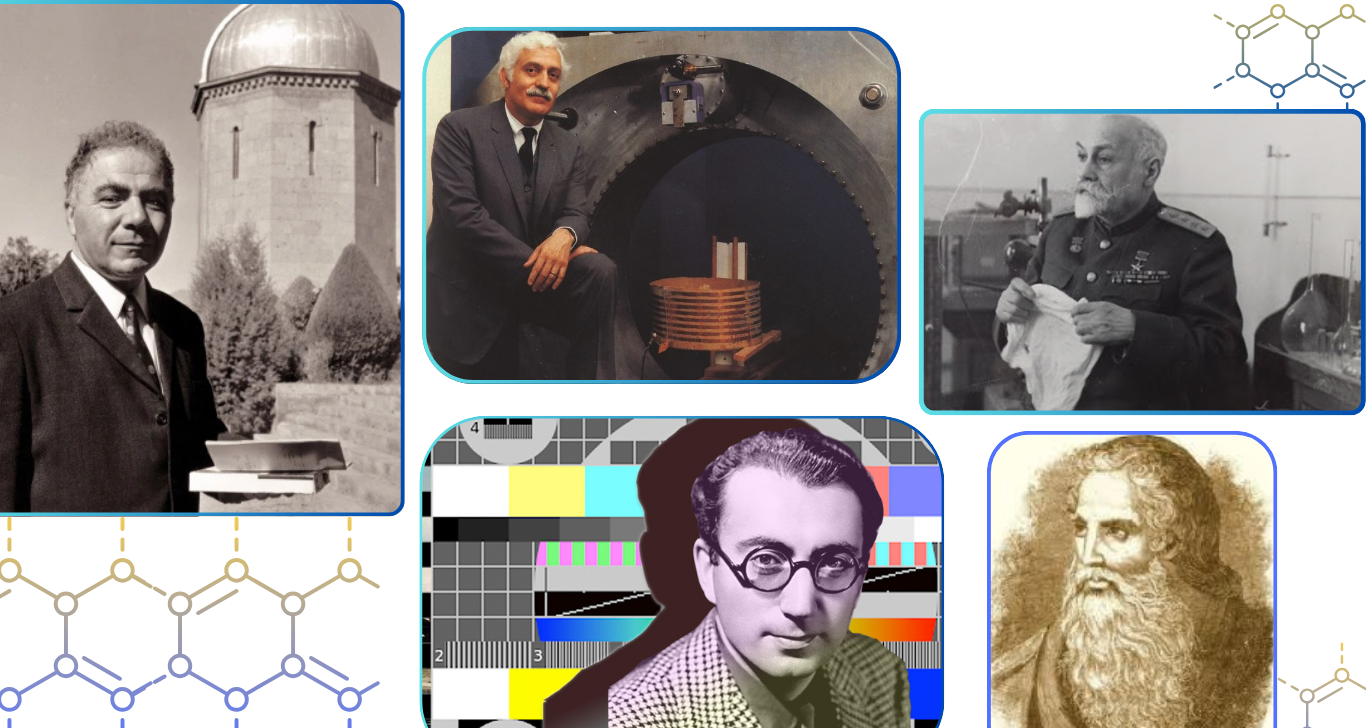
Armenian Scientists Who Changed the World
Armenian scientific thought has had its unique development path throughout centuries and has made significant contributions to global science. This article presents Armenian scientists who have made substantial impacts on various scientific fields through their work and research.

Maxwell's Theory: The Foundation of Modern Technology
In the mid-19th century, the scientific world faced a major question: how are electricity and magnetism interconnected? This question was answered by Scottish physicist James Clerk Maxwell, who presented his revolutionary theory in 1864.

Heisenberg's Uncertainty Principle: The Foundation of Quantum Revolution
The Heisenberg uncertainty principle was a revolutionary change in physics. Before the discovery of this principle, scientists believed it was possible to measure any physical quantity precisely.
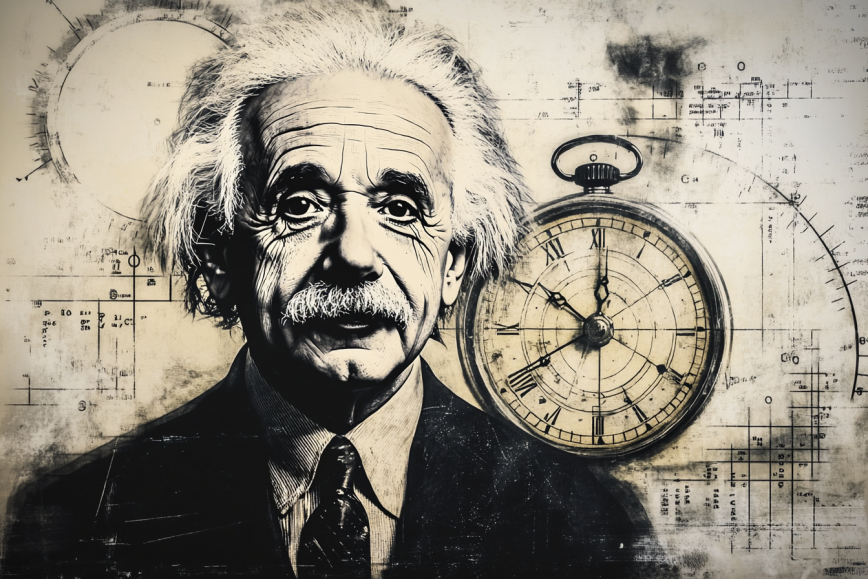
Revolution in Physics: Einstein's Theory of Relativity
Special relativity is founded on two simple yet revolutionary ideas: first, the laws of physics are the same in all inertial reference frames, and second, the speed of light in a vacuum is constant regardless of the observer's motion. These ideas led to astonishing conclusions. For instance, time ceased to be an absolute concept. It was discovered that time passes more slowly for rapidly moving objects than for stationary ones. This phenomenon is called time dilation.