From Smart Cities to Smart Homes: How 5G is Shaping Internet of Things (IoT)
The rollout of 5G networks is revolutionizing the Internet of Things (IoT), enabling unprecedented connectivity and transforming various sectors. This article explores real-world examples of how 5G is impacting IoT applications across smart cities, healthcare, and smart homes.
Smart Cities: Real-World Implementations
Barcelona, Spain: 5G-Powered Urban Management
Barcelona has been at the forefront of smart city initiatives, leveraging 5G to enhance various aspects of urban life:
Traffic Management: The city implemented a 5G-connected traffic light system that adjusts in real-time based on traffic flow, reducing congestion by up to 21% in pilot areas.
Waste Management: Smart sensors in trash bins communicate fill levels to optimize collection routes, reducing operational costs by 30%.
Singapore: Virtual Singapore Project
Singapore's digital twin project uses 5G to create a dynamic 3D model of the city:
Urban Planning: Planners use the model to simulate the impact of new developments on traffic, sunlight, and wind patterns.
Emergency Response: The system enables faster, more coordinated responses to incidents by providing real-time data to first responders.

Healthcare: 5G Transforming Patient Care
University Hospital Birmingham, UK: 5G-Enabled Remote Consultations
In 2019, the hospital conducted the UK's first remote diagnostic procedure using 5G:
A clinician wore a VR headset connected via 5G to a camera in an ambulance, allowing real-time assessment of a patient. This technology could reduce unnecessary hospital visits and improve emergency care in rural areas.
China: 5G-Powered Remote Surgery
In 2019, a surgeon in Sanya, Hainan province, performed remote surgery on a human brain 3,000 kilometers away in Beijing: The surgery was conducted using a 5G network with a latency of only 2 milliseconds. This demonstrates the potential for expert surgeons to operate on patients in distant locations.

Smart Homes: 5G Enhancing Domestic Life
United States: Verizon's 5G Home Internet
Verizon has launched 5G home internet services in several U.S. cities:
High-Speed Connectivity: Offering speeds up to 1 Gbps, enabling seamless operation of multiple smart home devices.
Low Latency: Improved responsiveness for smart home systems, enhancing the performance of security cameras and voice-controlled devices.
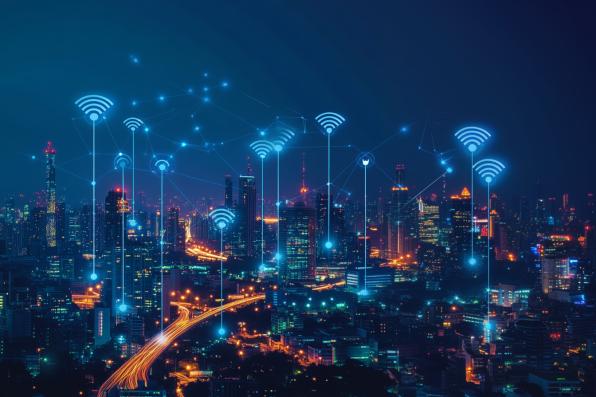
Challenges and Considerations While these examples showcase the potential of 5G and IoT, several challenges remain: Infrastructure Cost: The global cost of 5G infrastructure is estimated to reach $2.7 trillion by 2030, according to a GSMA report. Security Concerns: The increased number of connected devices expands the potential attack surface for cybercriminals. Privacy Issues: The collection of vast amounts of personal data raises concerns about data protection and user privacy. Conclusion These real-world examples demonstrate how 5G is already shaping the IoT landscape, from improving urban management to revolutionizing healthcare and enhancing our homes. As 5G networks continue to expand, we can expect to see even more innovative applications emerge. However, addressing the challenges of infrastructure development, security, and privacy will be crucial to fully realizing the potential of 5G-powered IoT. As we move forward, collaboration between technology providers, policymakers, and end-users will be essential in shaping a connected future that is both innovative and responsible. The main image of the article representsa city skyline at night, with glowing neon waves and wireless network connections, symbolizing the impact of digital technology on urban life.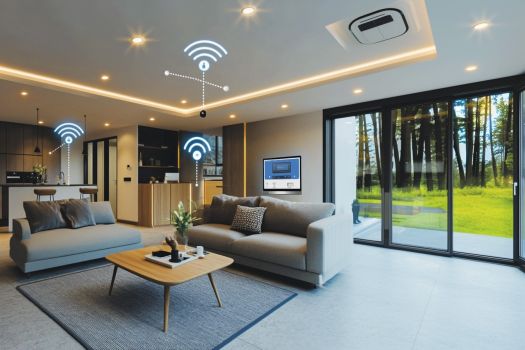


Related materials