Sleep Science: New Research on Sleep Stages and Brain Recovery
Introduction
Sleep is an integral part of our lives, occupying about a third of our time. However, despite its everyday nature, sleep still holds many mysteries. Modern science has made significant progress in the field of sleep research in recent decades, revealing its vital importance for our health, memory, and overall well-being.
1.Sleep Stages
Sleep consists of several stages that repeat throughout the night, forming sleep cycles. These stages are divided into two main types: NREM (Non-Rapid Eye Movement) and REM (Rapid Eye Movement) sleep:
NREM sleep consists of three stages:
Stage 1: Light sleep; during this stage, we can easily wake up.
Stage 2: Medium-depth sleep; during this stage, our body temperature and heart rate decrease.
Stage 3: Deep sleep; also known as slow-wave sleep, during which our body recovers.
REM sleep is characterized by rapid eye movements and high brain activity. It's during this stage that our most vivid dreams occur.
Sleep cycles repeat 4-6 times throughout the night, each lasting about 90 minutes. Interestingly, sleep structure changes with age: children spend more time in deep sleep, while older adults tend to wake up more frequently during the night.
2.Brain Recovery During Sleep
During sleep, our brain doesn't "switch off" but actively works to restore and maintain its functional state.
The strengthening of neural connections during sleep plays a crucial role in memory formation and consolidation. Synaptic plasticity allows the brain to adapt to new information and experiences. Memory consolidation occurs during sleep, transferring information received during the day into long-term memory.
The recently discovered glymphatic system plays an important role in the brain's "cleaning" process. This system activates mainly during sleep, removing toxic substances, including beta-amyloid, which is associated with Alzheimer's disease.
Energy restoration also takes place during sleep. ATP synthesis and replenishment of glycogen stores ensure the brain's energy balance.
3.New Research and Discoveries
New methods for measuring sleep quality, such as advanced EEG technologies and mobile devices, allow for more accurate monitoring. These technologies help understand sleep disorders and develop personalized treatment methods.
New methods for treating sleep disorders include targeted medication therapy and innovative approaches to cognitive behavioral therapy. For example, digital therapies developed for treating insomnia show promising results.
Research shows that there is a close connection between sleep and mental health. Depression and sleep are interconnected, and improving sleep quality can help alleviate symptoms of depression. Additionally, sleep plays an important role in stress management.
4.Sleep Optimization Strategies
Sleep hygiene includes a number of practices that promote quality sleep. A regular sleep schedule and optimization of the sleeping environment can significantly improve sleep quality.
Modern technologies can both harm and help our sleep. The effect of blue light on sleep can be negative, but there are special apps and devices that help monitor and improve sleep quality.
5.Future Prospects in Sleep Science
Personalized sleep medicine is becoming a reality. The use of genetic data and biochemical markers allows for the development of sleep strategies tailored to each individual.
The application of artificial intelligence in sleep research opens up new possibilities. Machine learning algorithms can analyze large volumes of data, revealing new sleep patterns and predicting sleep disorders.
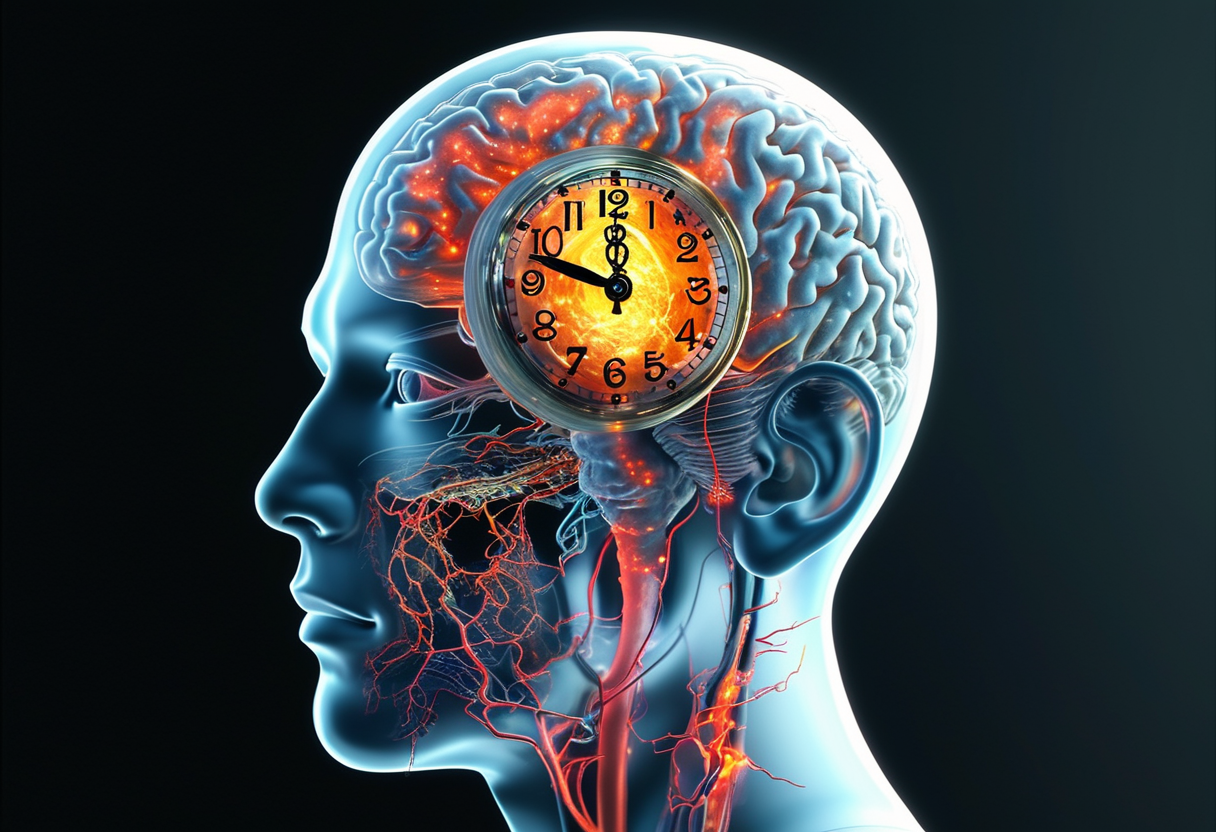
Conclusion Sleep science continues to uncover the mysteries of this enigmatic state. Quality sleep is vital for our physical and mental health. Ongoing research and new technologies promise to better understand the nature of sleep and improve our quality of life. Remember, good sleep is the foundation of a healthy life. Monitor your sleep, and may your nights be restful and rejuvenating. The main image of the article symbolizes the process of brain recovery during sleep.

Related materials