The Impact of Algorithms on Our Daily Lives
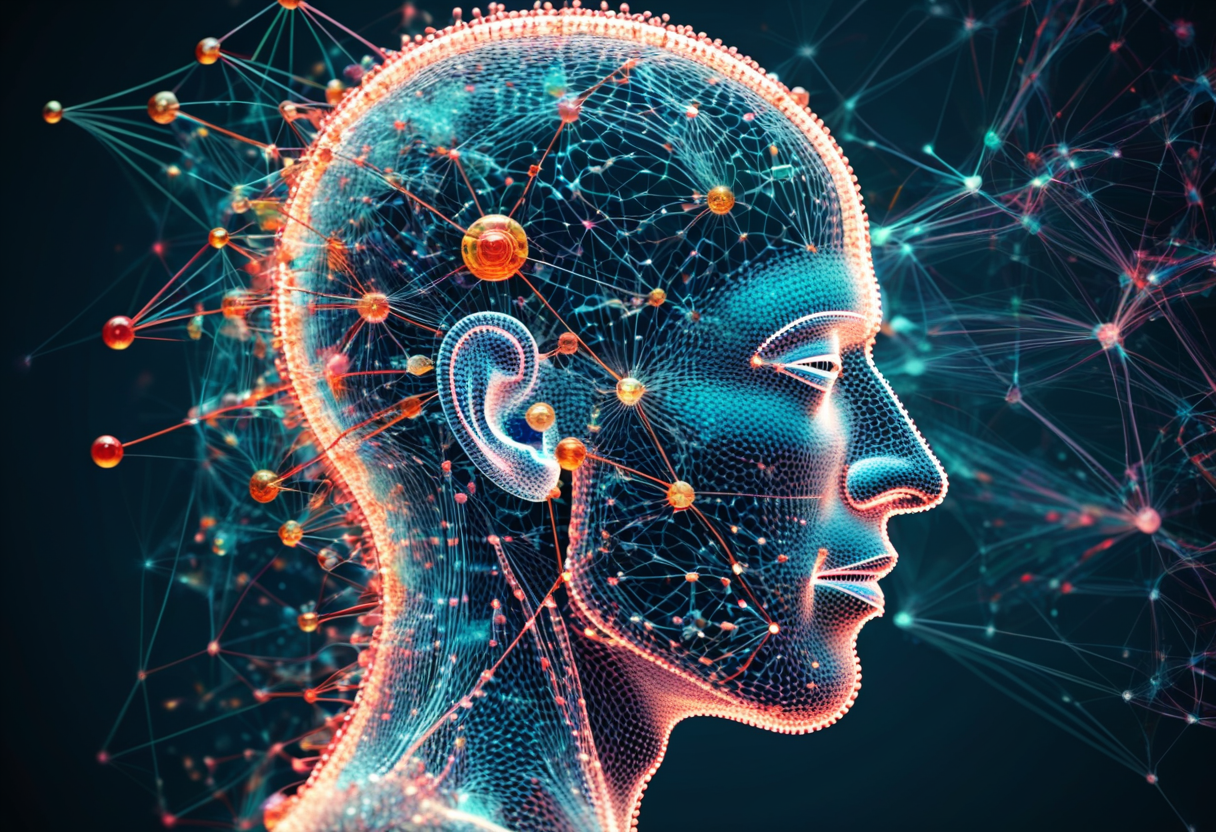
In our daily lives, algorithms have become invisible yet omnipresent companions. From the moment we wake up until we go to sleep, we constantly interact with various algorithms that shape our experiences and perceptions.
1.Social Media Algorithms and the Information Landscape
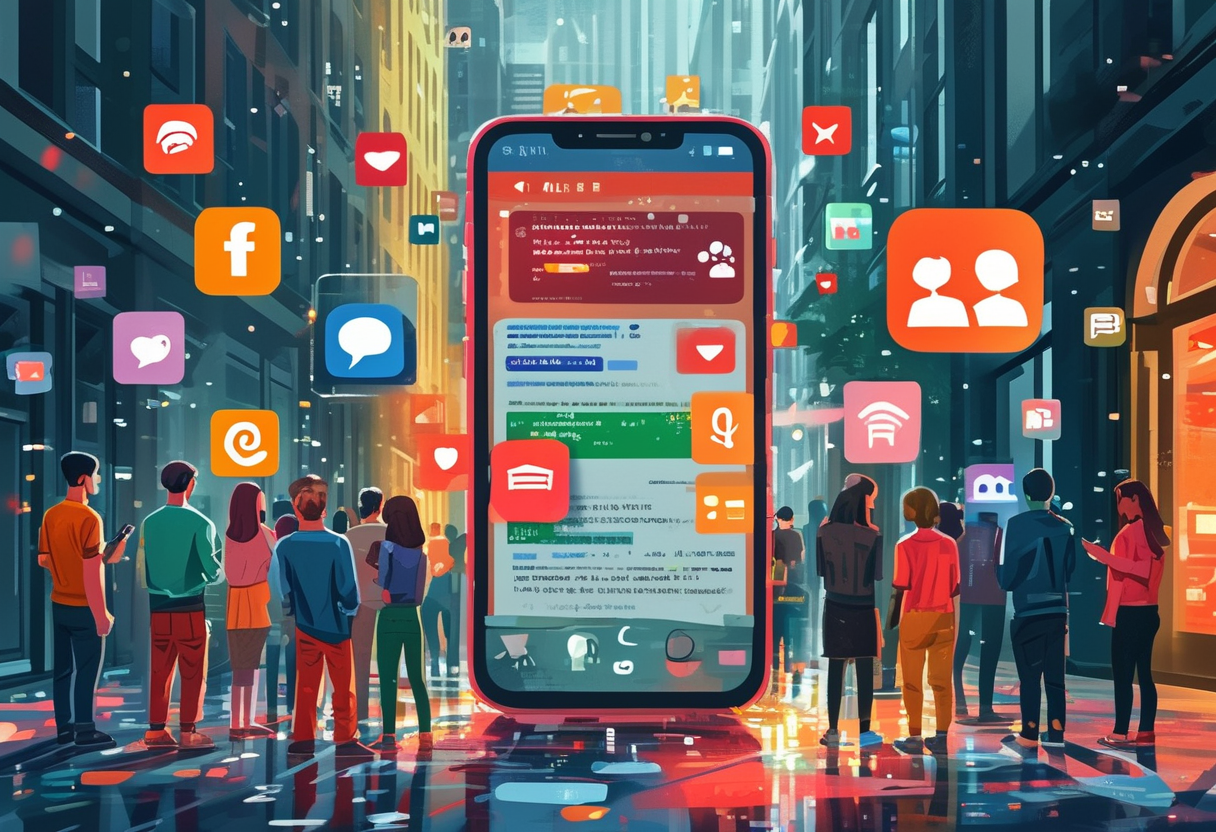
Every time we open Facebook or Instagram, we are greeted by a personalized news feed. This personalization is based on our previous interactions, interests, and network. While this may seem convenient, it also creates "echo chambers" - environments where we mainly see information that confirms our viewpoints. As a result, exposure to diverse perspectives may decrease, leading to societal polarization.
These algorithms also affect our attention by prioritizing "engaging" content. This often means that controversial or emotional content receives greater visibility. Additionally, these systems collect vast amounts of data about us, raising privacy concerns. It's important to understand that our "free" use of social media is actually paid for with our attention and personal data.
2.Search Algorithms and Information Accessibility
Google's PageRank algorithm revolutionized information search and accessibility. It ranks web pages based on their "importance," determined by the number and quality of links received from other pages. However, the personalization of search results means that different people may receive different answers to the same query. This raises ethical questions about information filtering and accessibility.
This personalization can contribute to the formation of "information bubbles," where people mainly see information that matches their previous interests. This can limit exposure to new ideas and perspectives. Moreover, search algorithms can inadvertently reinforce existing stereotypes and prejudices, reflecting trends present in society. It's also important to consider that the first page of search results is often perceived as "truth," but it may be incomplete or biased. Recognizing this reality can help us approach online information more critically and use multiple sources to get a complete picture.
3.Recommendation Systems
Netflix, Amazon, and similar platforms use complex recommendation systems to predict what movies, books, or products we might like. These algorithms analyze our previous choices, preferences of similar users, and many other variables. While this can facilitate the discovery of new and interesting content, it can also limit the diversity of our experience by creating a "filter bubble".
These systems often use a "collaborative filtering" method, which compares our preferences with those of users with similar tastes. This can lead to us missing out on content that is outside our usual range of interests. Additionally, recommendation systems can reinforce existing trends by suggesting "popular" content, which may reduce the visibility of niche or new creations.
4.Machine Learning in Medicine
In healthcare, algorithms are revolutionizing disease diagnosis, treatment planning, and medication selection. Artificial intelligence systems can analyze medical images, detecting anomalies faster and more accurately than human specialists. For example, machine learning models have shown promising results in early detection of breast cancer.
These technologies are also used for genetic data analysis, helping to identify disease risk factors and develop personalized treatment plans. Additionally, algorithms can help predict hospital admissions and optimize resource allocation, improving the overall efficiency of the healthcare system. However, it's important to note that these systems still have limitations. For instance, if the training data is not sufficiently diverse, the algorithms may be less accurate for certain demographic groups. There are also ethical concerns related to the privacy and security of medical data. Nevertheless, the development of machine learning and artificial intelligence promises to significantly improve the quality and accessibility of healthcare.

5.Algorithms in the Financial Sector
Algorithmic trading has become the norm in financial markets. These systems can execute transactions within milliseconds, using vast amounts of data. Furthermore, banks and credit organizations use algorithms to calculate credit scores, which can have a significant impact on individuals' financial opportunities.
Algorithmic trading can contribute to market efficiency by quickly responding to new information and adjusting prices. However, it can also lead to market instability, especially when multiple algorithms respond in the same way simultaneously. Credit scoring algorithms, while contributing to more accurate risk assessment, can also inadvertently discriminate against certain groups based on historical data. Moreover, the widespread use of algorithms in the financial sector raises cybersecurity concerns. A small malfunction can lead to significant financial losses. Nevertheless, algorithms also help detect fraud and prevent money laundering, contributing to the overall security of the financial system.

Conclusion
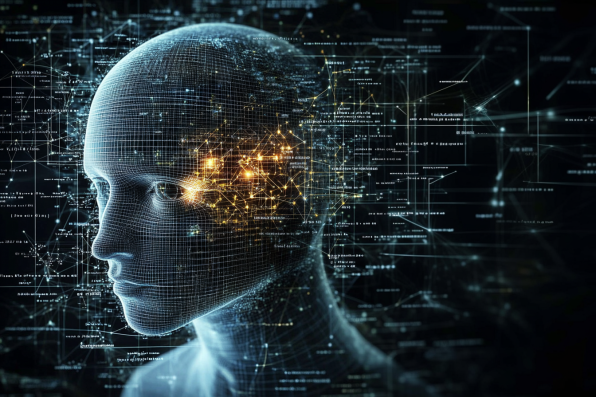
Algorithms have become an integral part of our lives, shaping our information environment, healthcare decisions, and financial opportunities. Understanding their impact is crucial for making informed decisions in the modern world. At the same time, we must remain vigilant about ethical challenges and strive to ensure the transparency and accountability of these technologies. The main image of the article symbolizes the penetration of algorithms into human thinking.

Related materials